
Home / Peer Review Process
Peer Review Process
Culture & History Digital Journal will confirm receipt of all original manuscripts received.
The Editorial Board may reject an article without evaluating if it does not adhere rigorously to the guidelines, both formal and content, or if its contents do not fall within the scope of the journal.
After this preliminary analysis all articles will be submitted to an external review according to the double-blind peer review process in which at least two external referees will participate, appealing to a third party if necessary. Those referees should be prestigious researchers specialized in the subject. The anonymity of both the author and the reviewers will be maintained, however, the lists of external reviewers who have collaborated with the journal in previous years will be published periodically, with prior authorization.
Authors will be notified on the acceptance or definitive rejection of the article.
Dates of receipt and approval will be indicated in each published article.
The Editorial Board, attending the external reports, will be in charge of making the decision on whether to reject or accept each article.

eISSN: 2253-797X
DOI: 10.3989/chdj
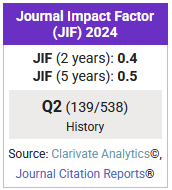
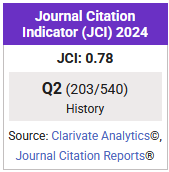
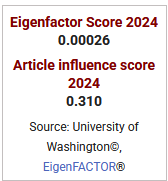
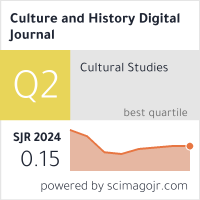
Indexing and quality






Plagiarism Detection Tool


Keywords

Most downloads (60 days)
1.O Engenho de açúcar: André João Antonil and the Anatomy of the Seventeenth-Century Brazilian Slave Plantation
2.Nostalgia and Tourism: Narratives of Yucatán’s Tangible Heritage
3.O The origins of casual culture: hooliganism and fashion in Great Britain
4.Linen, Silver, Slaves, and Coffee: A Spatial Approach to Central Europe’s Entanglements with the Atlantic Economy
5.The Philippine Islands: a vital crossroads during the first globalization period
6.Human Zoos or Ethnic Shows? Essence and contingency in Living Ethnological Exhibitons
7.The Uncertain Atlantic: African and European Transformations of São Tomé Island c. 1533
8.Crossed histories of the Honduran Caribbean: Republican urbanism and the banana Company town in Tela, 1876-1977
9.A controversial legacy from the Romantic period. Al-Andalus echoes in films featuring tourists (1905-1975)
10.New Directions in the History of Written Culture