
Home / Research data policy
Research data policy
We recommend authors depositing data obtained from the research developed for the preparation of their article in repositories of recognized prestige, specific to the discipline or of a generalist nature. In any case, it must be a FAIR repository (Findable, Accessible, Interoperable, Reusable), preferably in open access.
There are several repositories destined to conserve and disseminate concrete data such as results of surveys, observations, interviews, simulations, automatically collected data, samples, models … If necessary, authors can consult the Registry of Research Data Repositories re3data considering that each repository has its own deposit rules.
Those CSIC authors who would like to deposit their datasets in Digital.CSIC may do so by following these guidelines. They can use the Servicio de Archivo Delegado made available by the Technical Office of Digital.CSIC and the Red de Bibliotecas CSIC.
Digital.CSIC generates DOIs for datasets and associated software and is certified as data repository in re3data and Repository Finder. More information at Política de datos.
If the author has deposited datasets in a repository, he should mention it in the article providing a brief description of the type of data deposited, the name and URL of the repository, the identification code and the data of the license for use and distribution. This information must be included at the end of the article, immediately before the bibliographic listing, under the heading “Data availability”.

eISSN: 2253-797X
DOI: 10.3989/chdj
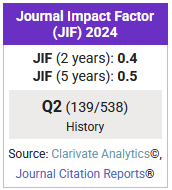
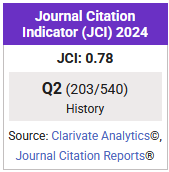
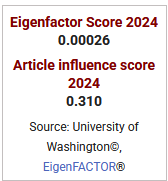
Indexing and quality




Plagiarism Detection Tool


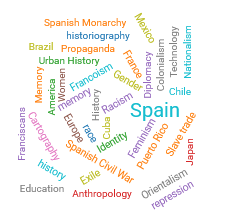
Keywords

Most downloads (60 days)
1.O Engenho de açúcar: André João Antonil and the Anatomy of the Seventeenth-Century Brazilian Slave Plantation
2.Nostalgia and Tourism: Narratives of Yucatán’s Tangible Heritage
3.O The origins of casual culture: hooliganism and fashion in Great Britain
4.Linen, Silver, Slaves, and Coffee: A Spatial Approach to Central Europe’s Entanglements with the Atlantic Economy
5.The Philippine Islands: a vital crossroads during the first globalization period
6.Human Zoos or Ethnic Shows? Essence and contingency in Living Ethnological Exhibitons
7.The Uncertain Atlantic: African and European Transformations of São Tomé Island c. 1533
8.Crossed histories of the Honduran Caribbean: Republican urbanism and the banana Company town in Tela, 1876-1977
9.A controversial legacy from the Romantic period. Al-Andalus echoes in films featuring tourists (1905-1975)
10.New Directions in the History of Written Culture